



-
US Regulations for Functional Types of Foods (Focused on NDI) 2026.08.26 (14:20∼15:10) | 3F Conference Room 317 BioFood Network Thane Scott Thurmond, Consultants, BioFood Network Detail View
-
US Regulations for Functional Types of Foods (Focused on NDI) 2026.08.26 (14:20∼15:10) | 3F Conference Room 317 BioFood Network Jin-Young K. Park, Consultants, BioFood Network Detail View
-
Global Business Expansion Buildup ① - Japan Market Trend Analysis and Global BD Success Cases 2026.08.25 (14:00 - 17:00) | E1 Seminar Room (Hall E) HekaBio K.K. Robert E. Claar CEO Detail View
-
Introduction of Functional Food Crop Materials: Soybean Seedlings for Periodontal Disease Management and Adzuki Bean Seedlings for Glycemic Control 2026.08.26 (13:05∼13:25) | E1 Seminar Room (Hall E) National Institute of Crop and Food Science Ra, Ji-Eun, Senior Researcher Detail View
-
Composition for improving cognitive function comprising Amaranthus mangostanus L. extract as an active ingredient 2026.08.26 (13:25∼13:45) | E1 Seminar Room (Hall E) National Institute of Crop Science Hwang In Guk, Researcher Detail View
-
Processing Technologies for Astragalus membranaceus (Cognitive Function) and Gastrodia elata (Deodorization) 2026.08.26 (13:45∼14:05) | E1 Seminar Room (Hall E) National Institute of Horticultural and Herbal Science Jang Gwi Yeong, Researcher Detail View
-
Patents of Materials from Horticultural and Herbal Crops 2026.08.26 (14:05∼14:25) | E1 Seminar Room (Hall E) National Institute of Horticultural and Herbal Science Kim Sang Suk, senior researcher Detail View
-
Black Ginseng Prebiotics & Turmeric for Body Fat Reduction 2026.08.26 (14:25∼14:45) | E1 Seminar Room (Hall E) National Institute of Horticultural and Herbal Science Young-Seob, LEE, Research Scientist Detail View
-
The AI Compass: Navigating the Next Frontier of Functional Foods 2026.08.27 (11:00 - 11:30) | E1 Seminar Room (Hall E) INSIGHTFI Co., Ltd. Bok Kyung Han, CEO Detail View





E-21


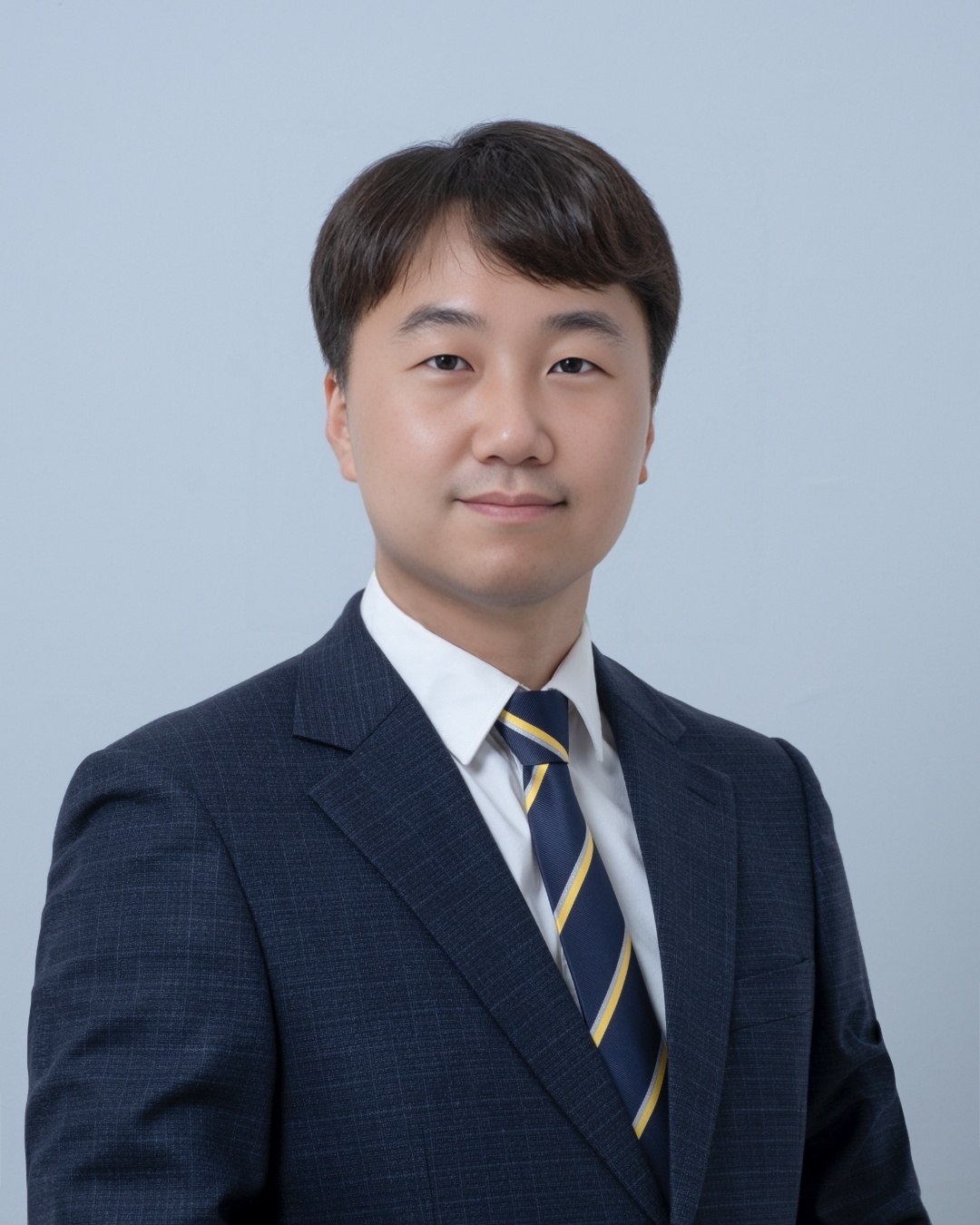
| Title | Processing Technologies for Astragalus membranaceus (Cognitive Function) and Gastrodia elata (Deodorization) |
|---|---|
| Date | 2026.08.26 (13:45∼14:05) | E1 Seminar Room (Hall E) |
| Organization | National Institute of Horticultural and Herbal Science |
| Speaker | Jang Gwi Yeong, Researcher |
Speaker & Lecture Information
[Brief Introduction of Seminar]
1. Cognitive improvement effects of roasted Astragalus root extract
2. Method for deodorization of Gastrodia elata extract
[Brief Introduction of Speaker]
Development of processing technologies for ginseng and herbal crops




Informa Markets Korea Corporation
8/F, Wodo Bldg., 214, Mangu-ro, Jungnang-gu, Seoul 02121, Korea T: +82-2-6715-5400 F: +82-2-432-5885 E: hi-kr@informa.com


